
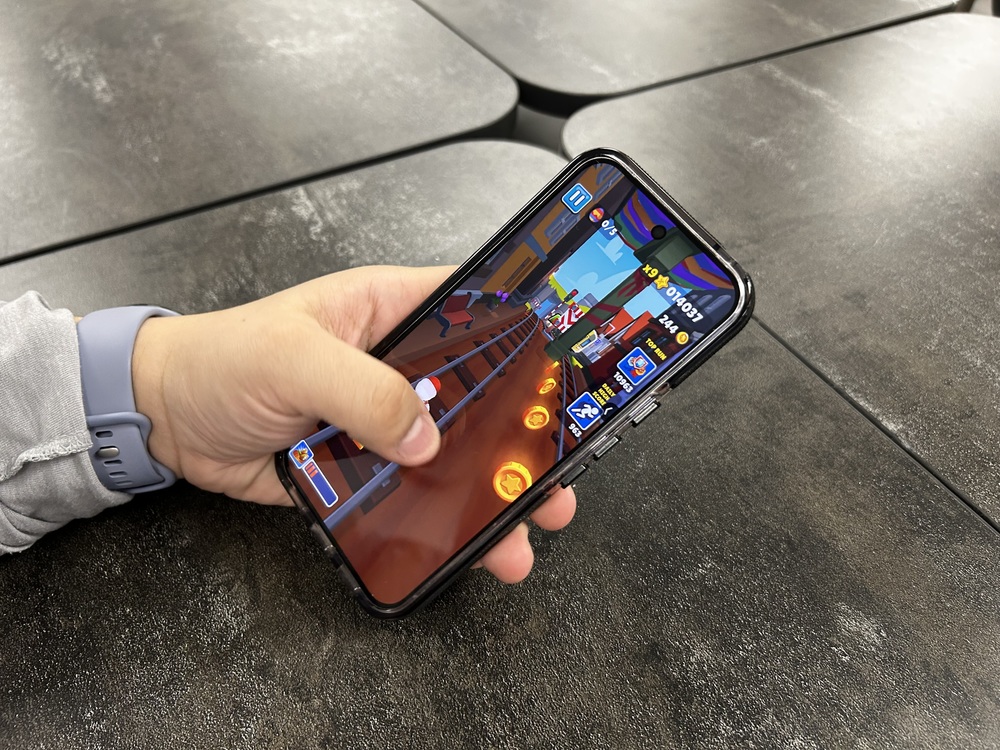
On March 5, 2026, the Indiana Senate Bill 78 was signed by Governor Mike Braun, hereby declaring that there will be a bell-to-bell phone ban in Indiana schools. This bill will officially go into effect on July 1, 2026, and will be in place at Warren Central next school year. With this big change coming next school year, it creates a lot of questions regarding how it will be implemented here at Warren.
We as a staff believe that this ban could ultimately be helpful and a positive change for students, but it will only work with both students’ and staff’s full compliance.
For starters, we are wondering how this new policy can realistically be put in place or what plans would be applied to ensure that this new ban is actually enforced. In a school with about 3,500 students, it poses a difficult challenge to guarantee that all students’ phones are stowed away to the point where they can’t use them during school hours.
The last time Indiana lawmakers put a “ban” in place, it only covered instructional time and did not involve passing periods or lunch. It also involved vague language that only required schools to create a phone policy, but that policy has not been enforced consistently. Enforcing this ban in classrooms poses an already difficult challenge, so banning it across the board, from bell-to-bell, will only add to that.
In the past, we’ve seen policies and plans similar to this put into place for a variety of other things but then only enforced for a short period of time before falling away. For example, when our lunch cards were given to us at the start of this school year, the goal was to make sure only students who were assigned to that lunch period were allowed to enter. Less than two weeks later, lunch cards weren’t being checked anymore. Examples like this make us question whether the new phone ban will be properly enforced or if it will just be another repeat of the same inconsistencies.
We of course see the benefits of this new phone bill. Fewer distractions from devices allows students to focus solely on their classes and school work, but at the same time we know that negative results may come from the enforcement of this law.
Not every student will necessarily be willing to put their phones away, which can lead to bigger problems for the teachers. The teachers would be expected to enforce this policy, and if students are constantly resisting it, it will inevitably take time away from lessons and make teachers' jobs more difficult. The hassle it would take to get every single phone away would be huge, which may lead to teachers not wanting to go through that trouble, which leads back to our original concern that nothing will end up being enforced, as always.
For this new law to work successfully in our school it will require a lot of things. First and foremost, students have to accept and comply with the policies that will be put into place. By doing so, it will make the transition much easier for everyone. At the same time, staff members have to maintain the same level of enforcement throughout the school year, because if they start to ease up, not only will it revert to how it is now, but students will then be contributing to the school not complying with the law. It’s going to take all of us for this new law to be instituted smoothly, and compliance from both sides is the key.